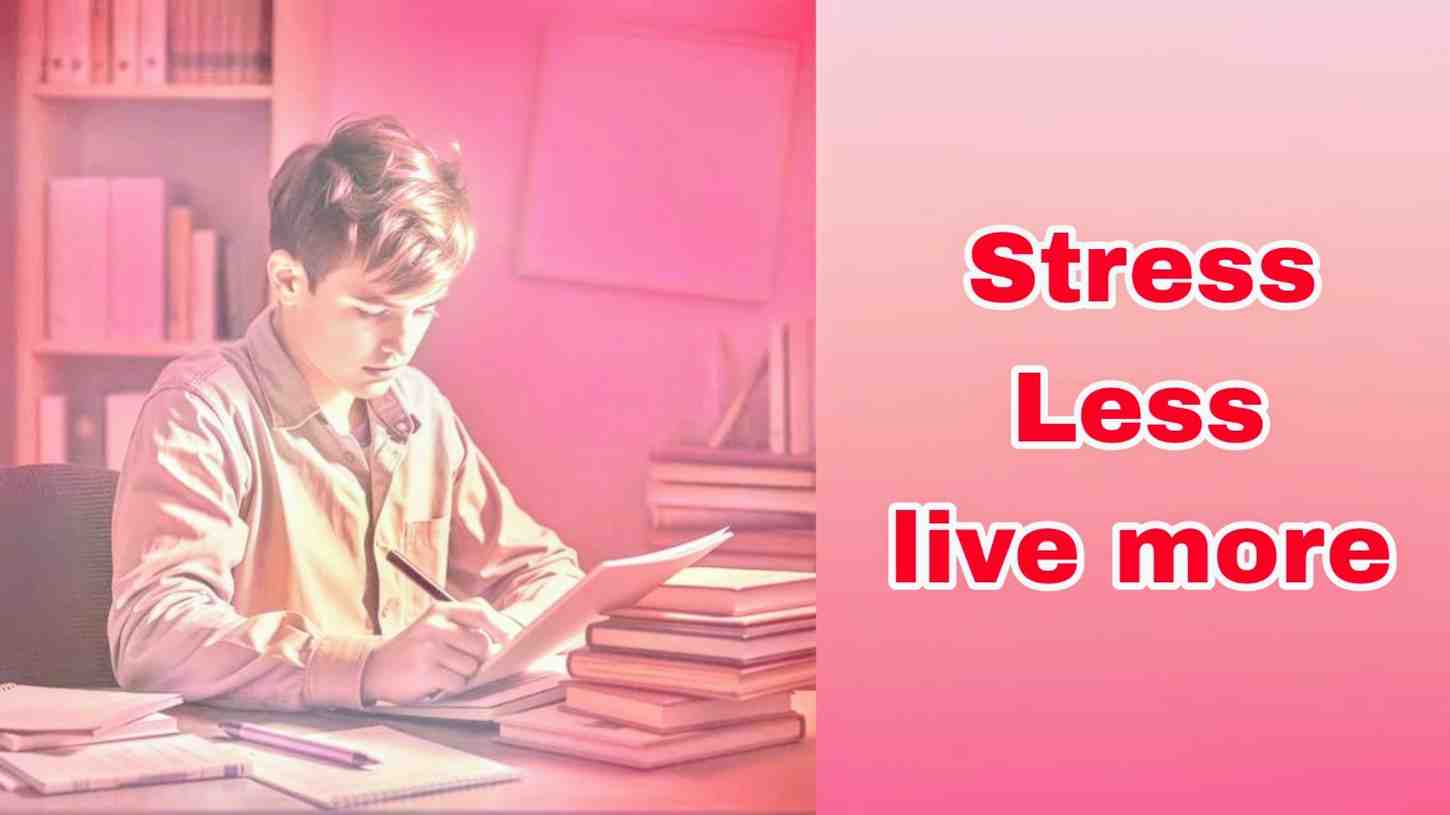
Stress Less, Live More: mental wellness tips
Ever feel like your brain’s juggling flaming swords while riding a unicycle? Yeah… welcome to modern life. Between work emails at midnight, doom-scrolling social media, and trying to be a semi-functional adult, stress and anxiety have become our not-so-welcome roommates.
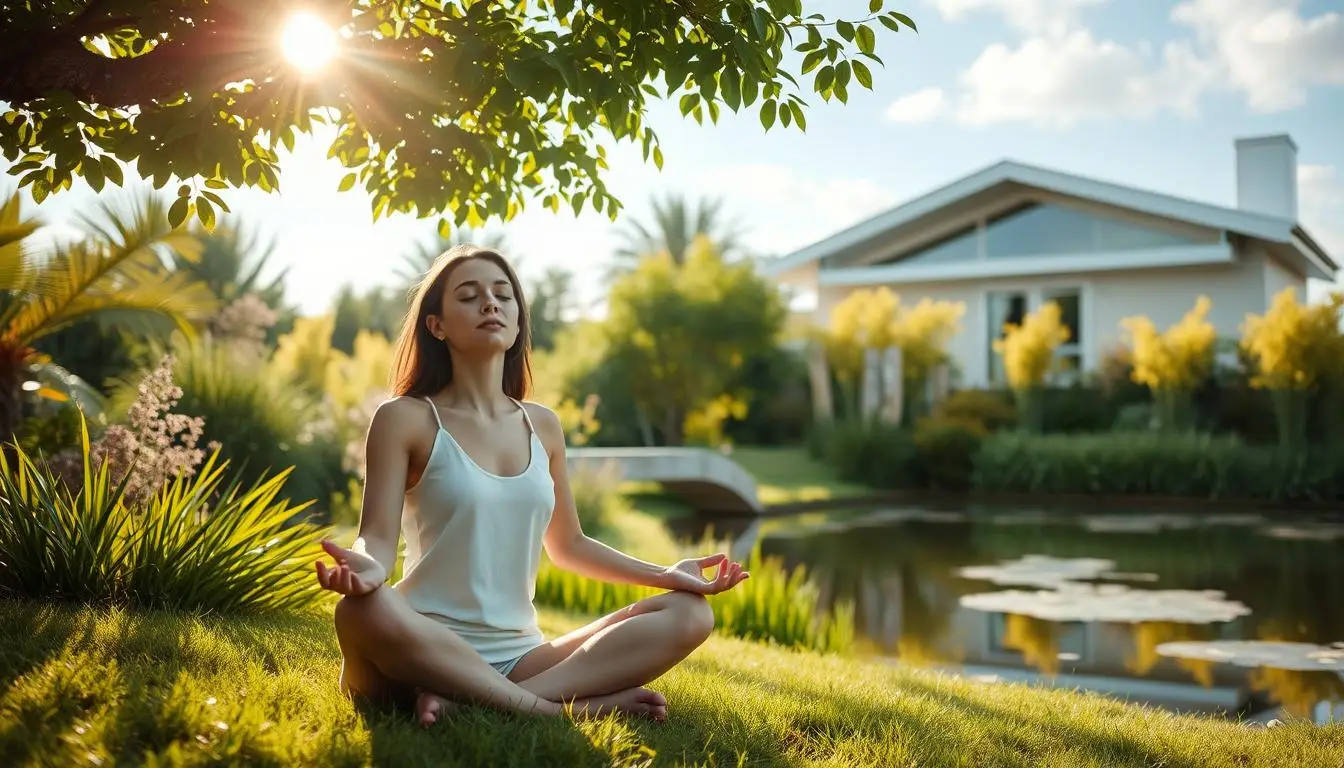
But here’s the good news: you’re not stuck. You can take your mental health off the back burner—and no, it doesn’t mean moving to a mountain and becoming a monk (unless that’s your thing).
Let’s get started!
—
What Does “Mental Wellness” Mean?
Mental wellness is not just “not being unhappy.” It’s about being balanced, resilient, and connected—to you and others. It’s like upgrading your mind’s operating system, where it functions better and does not freeze just because something unexpected happens.
Think of it like this: In case your mind was a garden, intellectual well-being could be watering the flora and pulling the weeds before they choke the whole thing.
—
Why Stress and Anxiety Are Stealing Your Happiness
It’s Not All in Your Head (But Also… It Kinda Is)
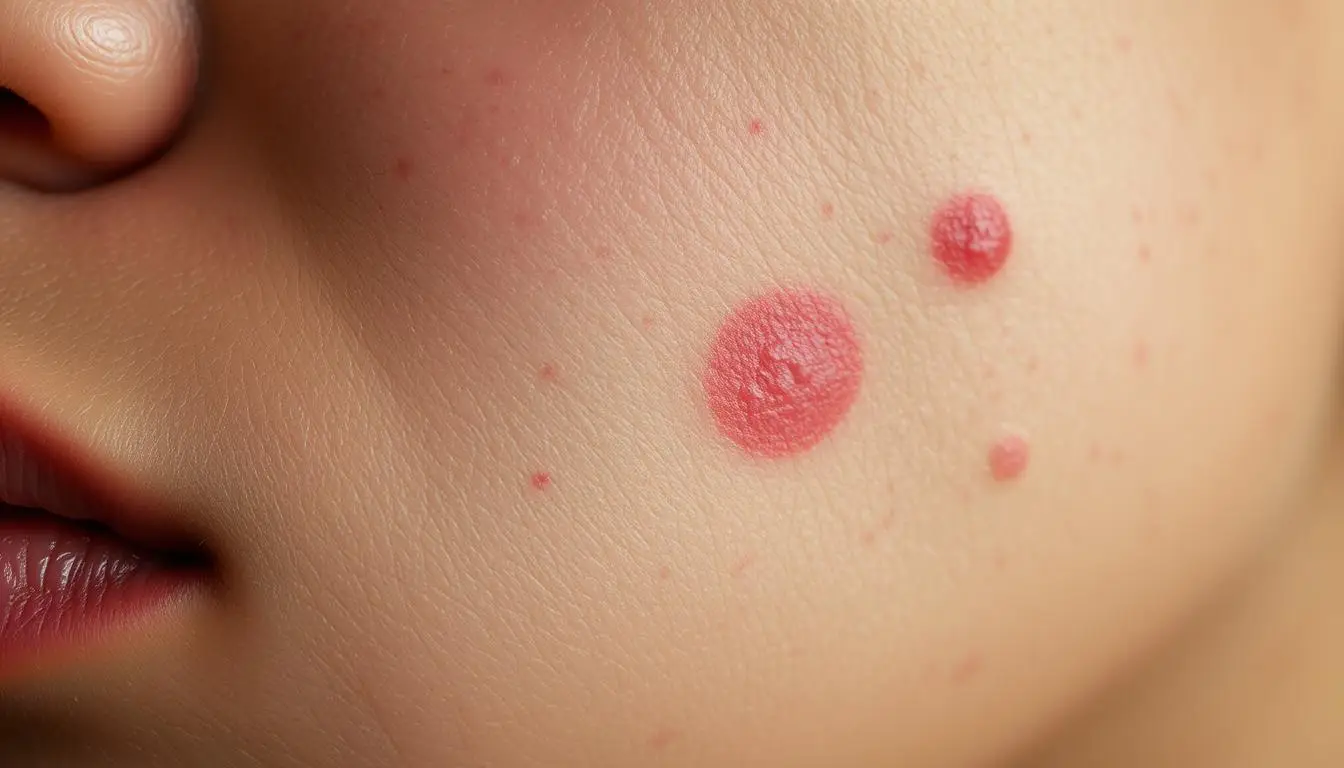
Let’s get real for a sec. Stress isn’t just about feeling “aggravated” or “on edge.” Long-term anxiety messes with your sleep, your digestion, your immune system—heck, even your skin!
I once spent a month with pressure-induced hives. Hives! All due to the fact I notion I ought to get electricity through burnout, like it changed into a badge of honor. Spoiler alert: I couldn’t.
Common Causes of Stress Today
- Information overload (aka “scroll fatigue”)
- Unrealistic expectations (thanks, Instagram)
- Work-life imbalance (or, more accurately, work is life)
- Money woes
- Relationship drama
- Lack of sleep (because apparently, we don’t need that anymore?)
—
7 Surprisingly Simple Tips to Stress Less and Live More
1. Breathe Like You Mean It
Sounds silly, right? But deep, intentional breathing actually reprograms your nervous system. It’s like telling your body, “Hey, we’re safe. Chill out.”
Can you make the inhale for a count of six, retention for two, exhale for six, retention for two, and repeat three times per day?”
2. Say “No” Without Guilt
For real—you don’t have to attend every drama you’re invited to.
Setting boundaries isn’t selfish; it’s self-respect. Whether it’s declining extra work or skipping that fourth cousin’s wedding, guard your energy like it’s your last piece of chocolate.
3. Move Your Body (No Gym Membership Required)
You don’t need to run marathons. A 10-minute dance party in your kitchen or a walk around the block does wonders. Exercise = natural stress flush.
In particular, moving releases endorphins (those happy brain chemicals) and helps process cortisol (the stress hormone).
4. Ditch the “All or Nothing” Mindset
Missed a workout? Ate a donut? Forgot to meditate? Congrats, you’re human.
Progress isn’t a straight line. It zigzags. The goal isn’t perfection—it’s momentum.
5. Digital Detox (Yes, Really)
Scrolling TikTok, Facebook, and Instagram at 2 a.m. is not “self-care,” my friend.
Try this: Turn off notifications after 8 p.m. or take a break, like a weekend social media break. You’ll be shocked how quiet your brain feels without constant pings.
6. Talk It Out
No matter if it is a therapist, a reliable friend, or your dog (who will really hear you), there is emotional release in talking. Like venting a soda bottle and not letting it explode.
7. Create a Joy List in your book
Write down 10 things that make you smile—then do at least one in a day. Watch funny videos, eat pancakes for dinner, and wear fuzzy socks. It doesn’t have to be big. Just you.
—

—
Expert Insight: What Therapists Recommend
Dr. Carla Peterson, a licensed clinical psychologist, shared this with me over a Zoom session:
“Stress isn’t about eliminating pressure—it’s about building coping capacity. Small habits, consistently practiced, make a huge difference.”
Couldn’t have said it better myself.
—
Frequently Asked Questions (FAQs)
What are quick methods to reduce stress fast?
Try deep breathing, a short walk, or cold water on your face. These tricks tell your nervous system to calm down.
How can I control anxiety without medication?
Therapy, mindfulness, exercise, journaling, and sleep hygiene are effective non-medicated tools. But always consult with a professional.
What foods help to reduce stress and anxiety?
Find omega-3-rich foods (like salmon), magnesium-packed snacks (almonds, spinach), and probiotic-rich yogurt. Oh, and hydrate!
How much sleep do I really need?
Most of the adults need 7–9 hours. Sleep is like charging your internal battery. Don’t run on 1% all day.
—
In Conclusion: You need to Take a Break
Honestly? Life’s already hard enough. Let’s not make it harder by pretending we’re robots.
Stress happens. Anxiety shows up. But you’re not powerless; you’ve got tools, humor, and a heck of a lot more resilience than you think.
So next time stress comes knocking, say, “Not today, chaos. I’ve got joy to chase.”
—
Let’s Keep the Conversation Going!
Got a go-to stress relief trick or a hilarious meltdown story? Drop it in the comments below—I love hearing how others navigate the messiness of life.
And hey, if you found this helpful, share it with someone who needs to live more and a reminder to breathe. Let’s all stress less and live a little more.
—
CTA:
Want more mental wellness tips like this? Keep your eyes to our newsletter and get weekly feel-good content delivered straight to your inbox (no spam, pinky promise)😜
—