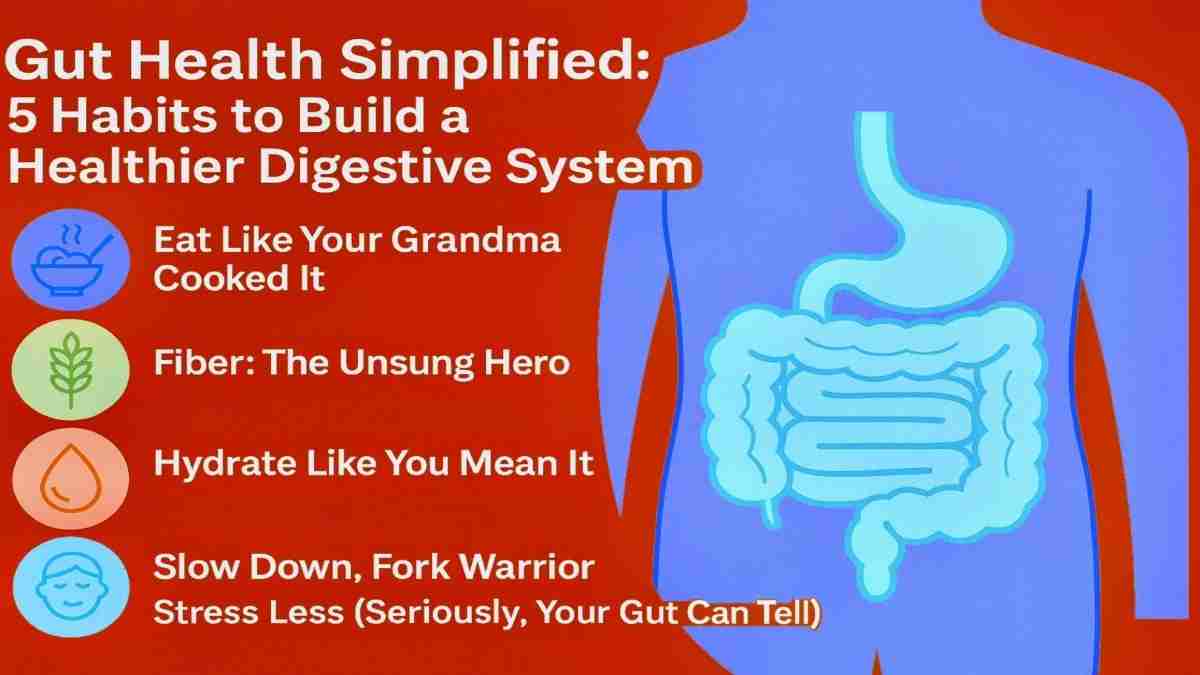
Gut health habits
Hey there, fellow gut warriors! Do you ever feel like your stomach decides for itself what you should do? You are not alone. Trust me, I’ve been on the distended, carbonated, stomach singing the blues journey too. One day you swallowed tacos with such force, as if you were a master at this. And the next day your stomach rebels like it’s taking revenge.
what’s the matter?
Well, your gut’s not just some passive food processor. It’s your second brain. Yup, scientists actually call it the “gut-brain axis”—and it’s a real thing. Your digestion affects your mood, immune system, sleep, and even your skin. It all ultimately depends on the healthy bacteria in your gut.
Let’s break it down, no science degree needed. I’m talkin’ relatable, simple. Some great and practical ways to keep your stomach in shape without being a monk.
Why gut health is important (hint: it’s not just about poo)
Let’s be real: when someone mentions “gut health,” we often think of bathroom schedules. But there’s so much more to it. Harvard Health explains how your brain and gut constantly communicate.
Your gut keeps over 100 trillion bacteria—some are good, some bad. When that balance tips, boom: bloating, fatigue, brain fog, mood swings… even long-term digestive disorders. Maintaining a healthy gut flora and microbiome balance is extremely important.
Honestly, once I started focusing on my gut. After eating, I don’t feel like a sack of potatoes anymore. Now my body feels energized, my skin glows, and my tension? At an all-time low.
5 Digestive Habits That Changed My Gut Game.
Come on, let’s get to the real tips. These 5 habits have transformed my stomach—from a grumpy one to a calm and grateful one.
1. Eat Like Your Grandma Cooked It.
You ever notice how grandma’s home-cooked meals never gave you indigestion?
That’s because real, and natural foods—like fermented foods such as kimchi, yogurt, sauerkraut as well Cleveland Clinic highlights these as powerful gut-friendly choices feed the good bacteria in your gut and help maintain a healthy digestive system. And processed foods and added sugar? They’re the root cause of the entire microbiome destruction!
Try this:
- Swap sugary cereals for oats topped with berries and chia seeds.
- Add probiotic-rich foods to lunch. A spoon of kimchi on your sandwich = happy gut.
- Cook more. Honestly, your gut loves home-cooked meals. Period.
2. Fiber: The Unsung Hero
Listen, fiber is like that trusted friend—it never lets you down. It keeps everything running smoothly… get it!
Eating high-fiber foods regularly can help keep your stomach clean and improve your gut health, especially when combined with prebiotic foods. Soluble fiber (like oats, apples, carrots) feeds the good bacteria in your body. And insoluble fiber (like whole grains, vegetables) works… like cleaning your pipes!
My routine:
- Morning smoothie with spinach, banana, flaxseed
- Chickpeas salad for lunch
- Roasted Brussels sprouts for dinner
In particular, increasing dietary fiber and prebiotic intake helps regulate bowel movements and supports your intestinal balance.
3. Hydrate Like You Mean It
Water isn’t just for quenching thirst—it’s a natural lubricant for digestion. Think of your gut as a slip-and-slide. Without water? No slide!
Drinking the right amount of water supports digestive health and helps prevent constipation—one of the most common digestive problems.
Pro tip: Add lemon or cucumber for flavor and an extra gut-loving kick. Aim for 8–10 glasses a day.
Hydration plays a crucial role in keeping your gastrointestinal wellness in check. It even helps support gut permeability and prevent digestive inflammation.
—

4. Slow Down, Fork Warrior
I have a confession to make—I used to eat like someone was going to steal my food! Chewing? That was completely optional.
I was making a big mistake.
Digestion starts in the mouth. And if you swallow your food, you’re skipping the very first step.
What I do now:
I put my fork down after a bite.
I chew until the food is almost like a paste.
I take a deep breath. Seriously—it’s not a competition!
Mindful eating reduces the risk of indigestion and flatulence, helps the body absorb nutrients better, and improves the gut-brain connection. This habit helps reduce chronic inflammation and functional gut disorders.
5. Stress Less (Seriously, Your Gut Can Tell)
Stress is like an uninvited guest for the good bacteria in your gut. Ever get an upset stomach before a big meeting? It’s no coincidence.
Keeping stress under control helps the gut-brain axis function properly and reduces the risk of stomach inflammation.
My go-to tools:
- 10-minute guided meditations
- Evening walks without my phone
- Saying “no” more often
Stress management is a crucial part of holistic health practices. A calm mind really does support a healthy microbiota.
(FAQs) About Gut health habits
How can I feel if my gut health is bad?
Look out for symptoms like bloating, constipation, fatigue, bad breath, and frequent illness. Your gut speaks—you just gotta listen.
What is the fastest natural way to improve gut health?
The quickest natural way to improve your digestive health is by eating more probiotic-rich foods, staying hydrated, and lowering stress.
Can the probiotics help?
Yes! But choose wisely. Not all probiotics are created equal. Look for ones with multiple strains, over 10 billion CFUs, and added prebiotics. This helps promote microbial diversity and supports overall microbiome health.
Bonus Tips to Keep the Gut Groove Going
- Cut down on antibiotics unless necessary
- Avoid artificial sweeteners like aspartame
- Sleep like it’s your job—gut repairs at night
- Move your body—exercise aids digestion
- Include anti-inflammatory foods in your meals
- Follow a probiotic-rich diet to promote gut-healing
These tips go hand-in-hand with reducing intestinal inflammation and boosting your immune system connection.
In Conclusion: Your Gut’s Got Your Back—Treat It Right
Listen, it’s clear—your gut health affects everything. And it’s not as complicated as it looks on the internet.
Start with small changes— Eat anti-inflammatory foods, drink plenty of water, and cut back on sugar and processed foods. This will naturally start to heal your gut lining and improve overall gastrointestinal function.
Build small habits. Be regular. Listen to your body. And don’t stress about being perfect—your gut doesn’t want that either.
So tell me—which of these gut-friendly habits will you start today?
Let’s talk in the comments—I’d love to hear your story!
CTA: Share Your Gut Wins!
Tried something that worked wonders for your tummy? Drop it below! Let’s build a community of belly-happy warriors. Also, don’t forget to subscribe for more real-talk health tips!