I want to start with something honest. Acne scars don’t hurt physically, but emotionally they stay much longer. You clear your acne, feel hopeful, and then notice the marks.
Dark spots. Red patches. Even skin that makeup can’t fully hide.
That feeling is disgusting. And that’s exactly the reason why so many people in the U.S. turn to Korean skincare for acne scars.
It’s not a magic.
But for calm, steady healing that actually respects the skin.
Why acne scars feel harder to fix than acne itself
Acne comes and goes. Scars stay and mess with confidence.
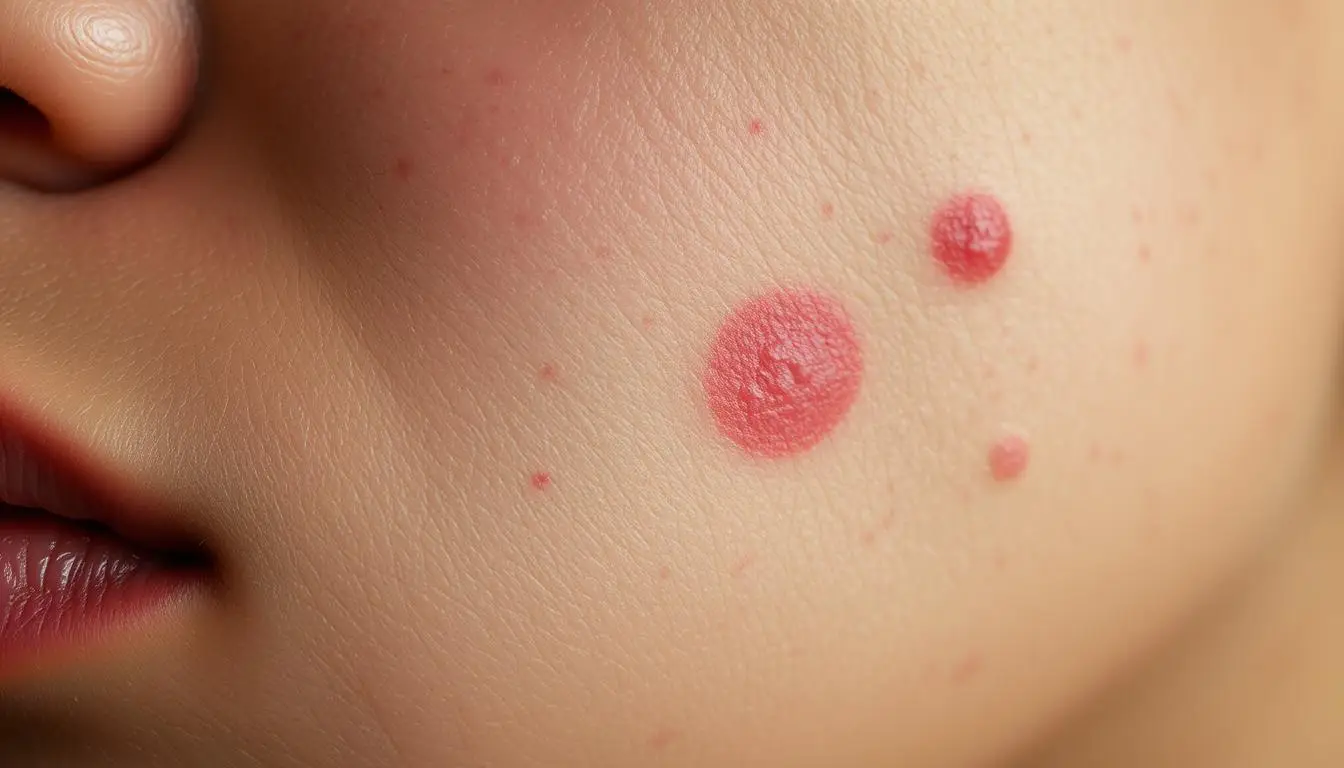
Most acne scars people talk about are not deep holes. They are post-inflammatory hyperpigmentation, often called PIH. These marks happen because the skin panics after inflammation.
It produces extra pigment as a “defense”.
If you attack that skin with harsh products, the marks last longer. That’s where Korean skincare does things differently.
Why Korean skincare works so well for acne scars
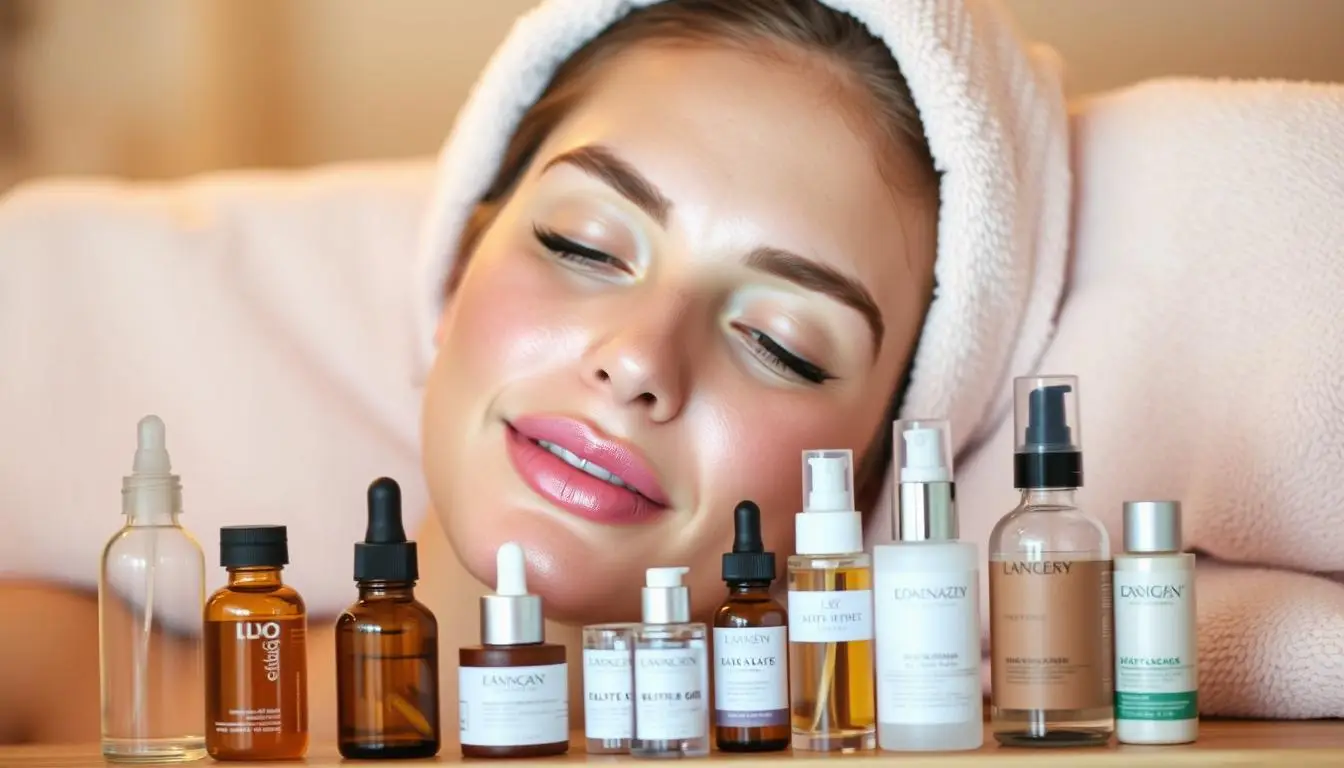
Basically Korean skincare doesn’t rush the skin. It focuses on healing first and correcting second. Instead of strong peels or aggressive scrubs, it uses gentle layers. Each layer supports the skin barrier, not breaks it.
This approach is perfect for acne scars. Because scars need patience, protection, and consistency, not punishment.
That’s why K-beauty routines feel slower but smarter.
Understanding the type of acne marks you have
Not all acne scars are the same thing. Knowing this saves months of wasted effort. Some marks are brown or gray. These are pigment issues, not texture. Some are red or pink. These fade with time but need calming care.
Deep dents are different. Topical skincare helps less there, and professional treatment may be needed.
Most people searching for Korean skincare for acne scars deal with pigment.
And that’s good news—coloring responds well to skincare.

Also Read This: Top 7 Best Shampoos for Hair Growth & Thickness 2025
The ingredient mindset that actually fades acne scars
Korean skincare does not chase trends. It focuses on ingredients that calm inflammation and correct pigment gently. One of the most important is niacinamide. It reduces redness, supports the barrier, and evens skin tone over time.
Another powerful ingredient is tranexamic acid. It tells the skin to stop overproducing pigment. Then there’s Centella asiatica. It calms irritated skin and helps it recover faster.
And finally, snail mucin. Not insane not magical, just deeply supportive for healing skin.
Why niacinamide is a hero for acne scars
Niacinamide doesn’t shock the skin. It teaches it to behave normally again. It strengthens the skin barrier.
A strong barrier fades scars faster.
It reduces inflammation quietly. Less inflammation means less pigment. Clinical research supports this role clearly. This review explains niacinamide’s skin benefits in detail: NCBI
That’s why it appears in so many Korean products.
Tranexamic acid and stubborn dark spots
Some acne marks refuse to fade. No matter how careful you are. Tranexamic acid helps with exactly that problem. It interferes with pigment signaling inside the skin.
Used consistently, it slowly lightens dark patches. Without barking or burning.
That’s why Korean skincare often pairs tranexamic acid with niacinamide.
They work better together than alone.
Why snail mucin is not just hype
Snail mucin sounds strange at first. But its job is simple.
It hydrates deeply.
It supports repair.
When skin heals well, scars fade faster. Dry, stressed skin holds onto marks. Snail mucin doesn’t bleach scars. It creates the right environment for recovery.
That’s why it’s so popular in Korean acne scar routines.
Centella asiatica and calming damaged skin
Centella is about peace, not speed. And peace is powerful for acne scars.
It reduces redness.
It supports healing.
When skin is calm, pigment production slows down. That’s exactly what acne scars need.
Centella products are especially helpful if your skin gets irritated easily.
Or if you’ve damaged your barrier in the past.
The quiet importance of sunscreen
This part is non-negotiable. No sunscreen means no progress. Sunlight darkens acne scars every single day. Even indoors, even through windows.
Korean skincare treats sunscreen as treatment, not protection.
Because without it, nothing else works.
Choose a lightweight, non-comedogenic sunscreen.
Use it every morning, even on cloudy days.

How a Korean skincare routine supports scar healing
The routine is gentle by design. It doesn’t shock the skin.
Cleansing removes stress, not oils completely. Serums deliver correction slowly. Moisturizers repair. Sunscreen protects the process.
This rhythm allows skin to rebuild itself.
That’s why acne scars fade gradually, not suddenly.
How long does it really take to see results
Let’s be honest. This takes time.
Most people notice small changes after 6 to 8 weeks. Real fading often appears around 12 weeks. Texture improvements take longer. Months, not days.
But the change is stable.
Not temporary like aggressive treatments.
Common mistakes that delay results
Using too many strong products at once. This inflames the skin. Skipping sunscreen “just today”. That sets you back.
Expecting one product to fix everything.
Healing is a system, not a shortcut.
Korean skincare works because it avoids these mistakes.
When skincare is not enough
Deep pitted scars need professional help. No cream can fully fix those.
Dermatologists may suggest microneedling or lasers.
Skincare still matters before and after treatment.
If scars are affecting your confidence deeply, seeking professional advice is not failure.
It’s self-care.
Emotional truth about acne scars
Acne scars affect how we see ourselves. That matters.
Healing them is not vanity.
It’s about feeling comfortable in your own skin again.
Korean skincare offers a respectful path.
One that doesn’t punish your face for past breakouts.
FAQ
Does Korean skincare really help acne scars?
Yes, especially pigment-based scars.
It focuses on calming inflammation and correcting pigment gently over time.
Which Korean ingredients are best for acne scars?
Niacinamide, tranexamic acid, centella asiatica, and snail mucin are most effective when used consistently.
Can acne scars fade completely?
Many dark spots fade significantly.
Deep scars improve but may not disappear fully.
How long should I try a routine before judging results?
At least 12 weeks.
Anything less is too soon.
Is Korean skincare safe for sensitive skin?
Yes, when you choose barrier-friendly formulas and introduce products slowly.
Final thoughts
Acne scars don’t define you.
But feeling comfortable in your skin matters.
Korean skincare for acne scars works because it respects healing.
Not force.
If you stay consistent, protect your skin from the sun, and use the right ingredients patiently, improvement will come.
CTA
If you want, I can next:
✔ Build a simple 12-week Korean routine
✔ Recommend U.S.-available products
✔ Create an SEO-ready version for publishing
Just tell me what you want next.