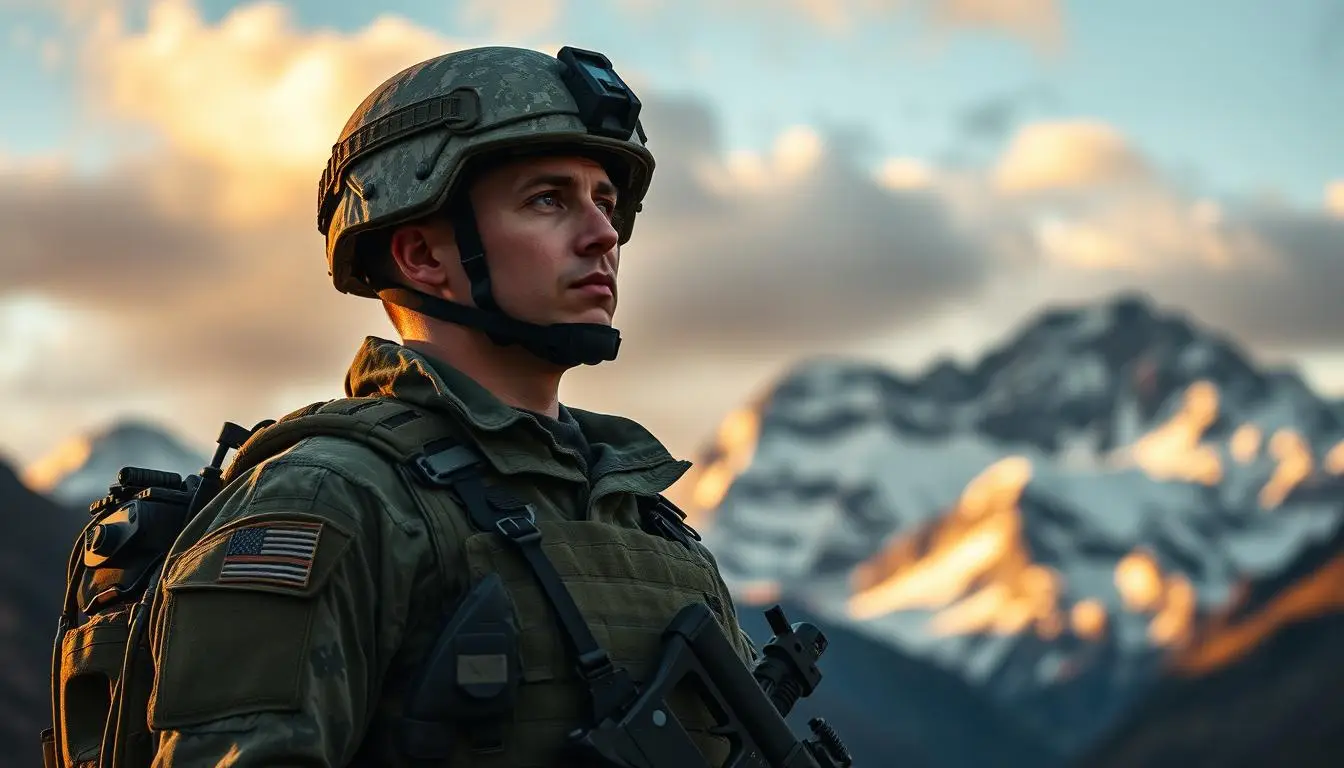
When we hear “military grade” it is often a reference to products designed to endure the toughest conditions that can be encountered. It is a sign of durability, reliability as well as the ability to withstand. The application of this method for mental wellbeing doesn’t mean becoming indifferent to or hiding emotions. In fact, it’s all about building an inner strength that allows us to deal with any challenges with flexibility and purpose.
The strategy is based on the principles of mental conditioning that are employed to prepare troops for stressful environments. It focuses on real-world active strategies to manage stress in emotional and mental health, as well as the ability to overcome the challenges.
This is not a secret strategy only for the elite who can learn to enhance their mental health. This piece will examine the meaning of “military quality mental health” can mean and what you can do with its fundamental concepts to create real-time, long-term resilience your personal everyday life.
What Is Military Grade Mental Health?
“Military Grade is often associated with products designed to stand up to the toughest conditions, durable resilient, reliable and robust. If applied to mental health, it is an organized, proactive method of building mental capacity and flexibility.
For this to be pertinent, think about what these ideas could be applied to everyday stressful situations like pressure at work or personal struggles, enabling people see how they can be applied for everyday challenges.
Common Mental Health Challenges and Military-Based Approaches
Stress, anxiety and constant stress are all human reactions to stress, they are not indicators of failure. Whatever the situation, whether in civilian or in the military, the high-risk environments ultimately affect the brain. What makes the difference is how they are handled. Although civilians may feel lonely in times of struggle, military settings attempt to deal with these challenges with a coordinated, organized strategy that focuses on early intervention and connectivity.
One of the most efficient methods to combat isolation is to create a peer support network. The military idea of”battle buddies “battle friend” guarantees that no one is operating on their own. The concept of a battle buddy provides a security net whereby individuals have the responsibility of observing the changes in their partners’ behaviour or attitude.
The burden on mental health and wellbeing from individuals to the group. Through regular checks, it is easier to recognize the signs that indicate anxiety or stress before they become crisis. The approach helps reduce stigma since the act of looking out for your teammate can be seen as a duty of a professional and not a private intrusion.
Beyond the peer support system, military culture relies on organized professional direction that is integrated into everyday operations. The leaders are usually taught to see that fatigue and operational stress are real threats to mission rather than only complaints. The availability of support services, like counselors, chaplains as well as medical professionals–is often included in the structure of the unit.
The accessibility of these systems encourages staff to see mental health support as maintenance similar to the way they service equipment, and not as being a last resort. When they treat anxiety and stress as normal challenges that need particular tools and assistance the systems aid individuals to get better and more resilient.
Support Systems Used in Military Mental Health
One of the main reasons that for mental health interventions that are influenced by military tactics to be efficient is the focus they put on an effective multi-layered system of support. Mental health isn’t seen as a burden on an individual basis, instead, it is viewed as a collective obligation. The support network ensures that support is provided on a variety of levels, which makes it much more likely that people receive appropriate medical attention at the right moment.
Peer Support: The First Line of Defense
In the middle of the system for military support is peer support. This “battle buddies” also known as “wingman” idea is a way to create an atmosphere where caring for each other’s wellbeing is a basic responsibility.
It is a system that allows conversations on anxiety and mental health issues by making them part of everyday interactions. Since peers have similar experiences, they’re often the first to spot small changes in behavior or mood. A quick, casual support will stop minor problems from becoming increasingly serious, and provide an understanding of one another that helps reduce feelings of being isolated.
Leadership Involvement: Setting the Tone
Within a military organization the leaders play an important function in the promotion of mental wellness. If commanders and officers who are not commissioned take mental health with the same rigor that they do physical fitness they send an important message that asking for aid is a sign of strength and not weak points.
The leaders are usually trained to spot signs of burnout and stress on their staff. The involvement of leaders helps de-stigmatize issues with mental health. They encourage employees to utilize accessible resources without worry of harming their career. This approach from top down is vital to create a work environment that values well-being.
Also See This Article: 10-Minutes Best No Equipment Home Workouts to Stay Fit at Home (Easy & Effective)
Access to Trained Professionals
Support for leadership and peer support are essential, they’re intended to supplement, not substitute, the assistance of professionals. The military environment is a prime location for accessible, secure support by professionals trained in the field including psychologists, counselors and the chaplains. These services are typically embedded directly into bases or units, which reduces the psychological and logistical difficulties of seeking out help.
In making help from professionals a regular element of an operational environment it strengthens the belief that the maintenance of mental health is an essential and normal component of long-term success as well as overall wellbeing. This framework essentially sends an important message that getting help when you require it is among the most efficient methods to remain healthy.
Benefits of Military Grade Mental Health Strategies
Implementing strategies for mental health influenced by the military can provide tangible benefits that reach to far more than high-risk occupations. Implementing these strategies into your everyday activities can drastically improve how you face challenges, handle emotions and function across all fields. It isn’t just about to get through difficult times, but also to gain knowledge and improve by observing them.
1. Improved Resilience and Faster Recovery
One of the biggest benefits is an improvement in the capacity. When you practice techniques such as controlled exposure to stress, and then following-action review, you can develop your brain to recover faster from back-slashes.
Instead of becoming entangled by unanticipated job losses or the complexities of a personal conflict Then you build the capability to deal with the situation and adjust to a new realities, and continue to move positively. This “bounce-back” capability reduces the psychological and emotional burden of the inevitable difficulties that life brings.
2.Better Focus and Clarity Under Pressure
The strategies taught in these exercises help you remain focused when it is the most. Through mindfulness and attentional exercise, you will discern between the external and internal distracting factors. When you are a student who is preparing for exams or someone who is a parent facing an emergency situation in the family This means that you are able to focus and think through the right decisions rather than succumbing to anxiety. Focusing on your problem allows you to focus your mind’s focus on solutions instead of being lost in the complexities.
3.Greater Emotional Balance
The military-inspired mental exercise isn’t concerned with suppressing your emotions but managing the flow of emotions. Methods such as cognitive reframing and breathing techniques give you strategies to regulate the stress response of your body.
This can lead to better emotional stability, allowing you to react to events with a thoughtful approach instead of reacting quickly. When you receive criticism at work it is possible to view the situation as a chance for development instead of responding in defensiveness. It improves the quality of connections and decisions made in professional and personal settings.
4.Enhanced Performance in Key Moments
All of these benefits can be combined for improved performance in particular when the tension is at its peak. A businessperson pitching investors or an artist on stage, or even a public speaker who is speaking to an audience of thousands are all able to benefit from mental practice and control of stress. In preparing your brain for situations that are high stakes and gaining confidence and self-assurance required to be at your very highest, turning any mishaps into chances to showcase your abilities.
Military-Inspired Mental Health Resources and Programs
The importance of mental resilience and toughness has been recognized by the public The strategies employed for military use have also been codified into comprehensive programmes. Though many of them originally were designed specifically to be used by active duty soldiers but the ideas and structures behind them are usually accessible to all. The exploration of these resources could provide an organized way to gain knowledge about how you can build resilience.

Also See This Article: 7 Proven Ways to Save Money Fast (UK & USA ) Methods 2025
Comprehensive Resilience Training Models
A widely-known structures is called the Master Resilience (MRT) program that is used for the U.S. Army. The program was created in partnership in conjunction with Penn State’s Positive Psychology Center, this course focuses on teaching particular strategies to increase mental strength in character, as well as good relations.
The official program is only for soldiers but the fundamental principles based on positive psychology — are extensively documented in articles and books. In the same way, it is the case that the Comprehensive Soldier and Family Fitness (CSF2) program follows the holistic view, and addresses the physical, emotional and spiritual, as well as social as well as family-based aspects of health. The models are excellent models of how mental health can be managed proactively via education, rather than merely in a reactive manner with therapy.
Educational Tools and Books:
There’s a lot of writings by military psychologists who were former Navy SEALs, as well as special forces personnel that translate the concepts they teach to civilian people. The books are usually useful guides that break down strategies such as “fear suppression” as well as “mental practice” into everyday routines. In addition there are numerous universities and research institutes that collaborate with military organizations publish research regarding stress-related inoculation and resilience. They provide an academic perspective to anyone who wants to learn the “why” of the strategies.
Digital Resources and Apps:
With the advent of technology, the military-grade mental instruments are becoming more accessible. Numerous apps are designed to train tactical breathing meditation, mindfulness, and sleep control, which are all skills that are heavily stressed in military instruction.
A few of these applications are designed through partnerships with or by Veterans’ Affairs organizations to assist users in managing PTSD as well as anxiety. They provide a simple access point for those looking to try out techniques such as box breathing and mental reframing from the privacy at home.
Conclusion
The process of establishing “military quality” mental health isn’t about unshakeable, or denying your individuality. It’s about empowering yourself with the techniques to face your life’s challenges with ease as well as purpose and determination. In bringing principles and techniques from the military–e.g., the preparation process, controlled exposure to stress and structured recovery — you will be able to alter the way you manage stress.
Resilience is a capability that is not a trait. It’s developed slowly with consistent habits that are cultivated daily as well as a desire to grow through every failure. There is no need to completely overhaul your daily routine in a single day. Begin small by implementing an early morning routine, do deep breathing in stressful times and lean upon a friend you trust to provide help. As time passes, these little acts will build into a deep feeling of inner peace.
The most important thing is to realize that the real test of your strength lies in being able to recognize when you need assistance. As no soldier has to go to battle on their own You do not need to confront your challenges by yourself. Be it through a supportive family member or mentor, or the help of a professional in mental health seeking advice is an effective and tenacious move towards wellbeing. When you put your mind first now, you’re making a commitment to a better and more durable future for yourself as well as those in your life.
Frequently Asked Questions (FAQ)
What is “military quality” mental health?
It’s a structured method of gaining evidence-based resilience that draws inspiration from military training. It emphasizes active preparation and emotional control, as well as cognitive adaptability, and robust system of support to deal with stress situations efficiently. This isn’t about smothering emotions but instead controlling them in a constructive way.
Do civilians actually use these methods in their daily day?
Absolutely. The core principles–such as mindfulness, stress inoculation, and routine-building–are universally applicable. No matter if you’re a college parent, a student or even a professional in the field These strategies will assist you in managing anxiety, increase focus and get back on track faster after defeats.
This approach is only suitable for individuals working at high stress?
No. These strategies were created to be used in high-risk environments, everybody is faced with anxiety, stress and problems. A resilient mind-set is beneficial to those who want to manage through life’s challenges with greater stability and confidence.
How can I begin building mental strength?
Begin with a small amount. Set up a routine daily routine that creates an atmosphere of calm. Try easy breathing techniques (like the box breath) to reduce stress immediately. As you progress, expose yourself to smaller obstacles to increase your tolerance and schedule regular evaluation of your achievements.
Do you think “mental toughness” means I can’t solicit assistance?
In army culture, having faith in the team for the survival of your team. The real test of mental strength is ability to know that you require help. Asking for help from your peers experts, mentors or even your own personal trainer is an effective strategy which ensures that you are able and fit.
What exactly is “stress vaccination”?
Inoculation with stress is a learning procedure in which an individual can be exposed to low levels of stress within the context of a safe environment. It helps the body and brain adapt to the pressure as time passes and reduces anxiety in the face of greater challenges in the near coming years.
Do you have any apps or other tools that can help you with this type of education?
There are many options accessible. Applications that focus on mindfulness, sleep management and cognitive-behavioral methods are readily available. Some are created with help from military psychologists in order to assist users develop skills such as the art of breathing tactically and enhancing focus.