
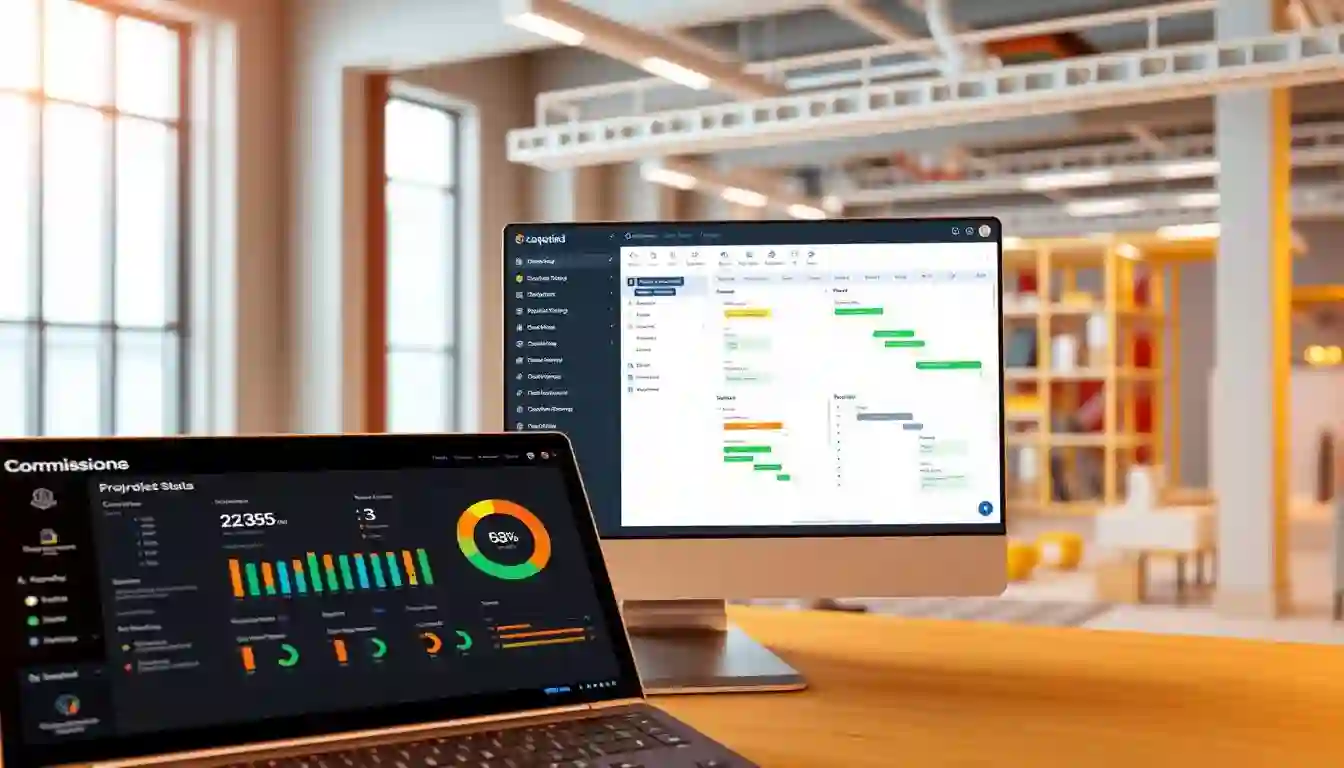
Modern building teams now favor cloud platforms over scattered spreadsheets. Tools like BlueRithm, CxAlloy, CxPlanner, Facility Grid, ADS, Cx Observer, and exto give Cx teams a single place to plan, run, and document work.
These platforms bring standardized documentation, issue tracking with photos and timestamps, and dashboards for stakeholder meetings. They help teams deliver PFC, FPT, and final testing reports that align with ASHRAE Standard 202.
A purpose-built platform reduces admin time, speeds up issue resolution, and centralizes critical information. Field-tested templates, overlay inspections, and built-in report builders make it easier to meet client expectations and pass audits.
Adopting cloud-based technology gives traceable accountability and consistent process control. Teams can onboard quickly and start seeing measurable benefits like fewer reworks and clearer ownership across the project lifecycle.
Key Takeaways
- Cloud platforms replace error-prone spreadsheets for complex projects.
- Standard templates and checklists speed setup and ensure consistency.
- Issue tracking with photos and timestamps reduces disputes and rework.
- Built-in reporting aligns outputs with ASHRAE 202 and client needs.
- Technology-enabled workflows improve visibility and stakeholder decisions.
Purpose-Built Solutions to Accelerate Commissioning Outcomes
A product designed for field realities speeds work and improves quality. Purpose-built tools such as CxPlanner and BlueRithm embed optimized flows, configurable templates, and AI insights to make testing and turnover predictable.
Standardized processes replace manual data merges. Predefined checklists, punch tracking, and automated reports shorten cycles between discovery and resolution. Teams see fewer missed steps and clear quality gates at each milestone.
These solutions act as a central hub for field and office. That reduces duplication, clarifies ownership, and speeds sign-offs. Live dashboards give stakeholders instant status and open action lists, cutting meeting time.
- Operational gains: tighter subcontractor coordination and faster handovers.
- Governance: audit-ready trails, consistent naming, and easy evidence retrieval.
- Risk control: AI-driven prioritization and flows that match day-to-day project needs.
From Spreadsheets to Cloud Platforms: Why Teams Are Moving Beyond Excel
Large projects expose the limits of static files when multiple trades and systems must coordinate. Spreadsheets create version conflicts, lost attachments, and long manual merges that slow progress and introduce errors.
Static files struggle with scale. Thousands of checklist lines and punch items become hard to track. Email chains and local copies lead to duplicate entries and delayed decisions.
Cloud platforms improve access for field and office at the same time. Live dashboards, centralized issue logs with photos and timestamps, and mobile updates keep teams aligned and reduce admin work.
The practical gains
- Real-time issue logging and status updates speed corrective actions.
- Timestamped, user-attributed entries strengthen data integrity and auditability.
- Market options like CxPlanner, BlueRithm, CxAlloy, Facility Grid, ADS, Cx Observer, and exto show growing industry adoption.
Moving beyond Excel is more than a tooling change; it is a process upgrade. The right platforms scale with projects, reduce risk, and deliver consistently better outcomes.

Also see this article: 7 Proven Time Management Tips for Students and Professionals – Work Smarter, Not Harder
Feature Set That Powers the Entire Cx Process
A complete feature set removes guesswork and keeps every test and punch item visible.
Custom checklists and templates align tests to specific equipment and project scopes. Teams reuse forms for repeatable execution and faster setup.
Issue capture and centralized tracking
Field crews log issues with notes, photos, and timestamps. Entries feed a single tracking queue so nothing falls through the cracks.
Standardized documentation and report builder
The product centralizes logs, acceptance forms, and final reports. A built-in report builder creates consistent deliverables for stakeholder meetings.
- System and equipment test tracking: drill down by system, equipment, or single test to see status across PFC, FPT, and Cx.
- Punch lists and overlays: create, assign, and close items on drawings during site walks.
- Automation and insights: automated reports and AI highlight trends and recurring root causes.
These features support both office and field users through practical mobile tools. The result is faster cycles, cleaner documentation, and stronger traceability for every test and issue.
Collaboration Across Roles, Sites, and Stakeholder Meetings
Clear, real-time communication ties field observations to office actions so teams can close issues faster. BlueRithm supports shared logs that internal staff, contractors, and clients can view. This reduces delays and creates clear accountability.
Role-based access keeps sensitive information controlled while giving the right people timely information. Managers filter by location, subcontractor, or system to plan coordination meetings efficiently.
Connected field-to-office communication and accountability
Comments, photos, and timestamps consolidate into one source of truth. Ownership and next steps are obvious, which shortens response times and closes loops faster.
Dashboards for live project status and stakeholder updates
Dashboard views show live status, unresolved items, and action tracking. Stakeholder meetings use those views for quick answers without ad hoc report building.
- Standard templates: uniform execution across sites with flexibility for client specifics.
- Field usability: simple data capture drives higher-quality records downstream.
- Transparent updates: clients see evidence-based progress and gain confidence.
| Feature | Benefit | Use Case |
|---|---|---|
| Role-based access | Controlled visibility | Client and contractor view limits |
| Live dashboards | Immediate status view | Stakeholder briefings |
| Central logs | Faster response | Ownership tracking and closeouts |
Compliance-Ready: Aligning With ASHRAE and Sustainability Standards
Meeting regulatory and sustainability goals starts with clear, traceable project records. ASHRAE Standard 202 sets precise expectations about what must exist and how it is stored. Teams that produce consistent artifacts reduce rework and speed approvals.
Support for ASHRAE Standard 202 documentation
Compliance hinges on a defined set of documents with traceable content. The required artifacts include Owners Project Requirements (OPR), Basis of Design (BOD), a commissioning plan, and a commissioning log.
Owners Project Requirements and Basis of Design
OPR and BOD capture intent and design choices. Keeping them current makes design reviews and contractor coordination faster and more reliable.
Commissioning plan, logs, acceptance, and inspection reports
Acceptance forms and inspection reports show evidence for each system. Test paradigms and final testing reports close the loop for turnover and assets handed to operations.
- Software-driven process enforces consistency so nothing is missed during audits.
- Centralized documentation streamlines reviews with designers, contractors, and owners.
- Training plans are tracked and archived to prove competency at turnover.
| Artifact | Purpose | Audit Value |
|---|---|---|
| OPR / BOD | Define project intent and design basis | Baseline for acceptance criteria |
| Commissioning Plan & Log | Schedule tests and record actions | Traceable sequence of activities |
| Inspection & Acceptance Reports | Evidence of system performance | Pass/fail records for audits |
| Training & Test Reports | Demonstrate operator readiness | Archived proof for certifications |
Industry-aligned templates speed preparation while allowing project-specific flexibility. That improves quality, reduces risk on construction projects, and preserves institutional knowledge across the asset lifecycle.
commissioning management software
When checklists, drawings, and test records live together, closeouts finish faster and with fewer gaps.
Dedicated Cx platforms focus on end-to-end execution rather than document control. Many general construction systems act mainly as file repositories and messaging hubs, which leaves gaps in testing, evidence capture, and final acceptance.
How dedicated Cx platforms outperform general construction systems
Purpose-built products such as BlueRithm, CxAlloy, Facility Grid, ADS, Cx Observer, exto, and CxPlanner embed PFC, FPT, and Cx checklists. That reduces customization and manual work needed to map tests to acceptance criteria.
- Built-in workflows: Mirror Cx roles and approvals so managers and field techs follow the same process.
- Specialized features: AI insights, scalable punch tracking, and drawing overlays speed issue resolution and evidence capture.
- End-to-end support: These platforms do more than store files; they track tests, capture photos and timestamps, and build automated reports for turnover.
| Capability | Dedicated Cx platform | Generic construction system |
|---|---|---|
| Test-specific checklists | Yes | Typically no |
| Drawing overlays for punch work | Yes | Limited |
| Automated Cx reports | Yes | Manual exports |
Teams that prioritize predictable outcomes should choose a commissioning-first solution. The services ecosystem around these products also aligns better with field execution and closeout, reducing risk and improving handover quality.

Also see this article : Best Online Learning Platforms in UK & USA (2025 Guide)
How to Choose the Right Platform for Your Team’s Needs
Picking the right tool starts with a clear map of team roles, scale, and handover goals. Buyers should verify the vendor focuses on field-first Cx workflows rather than a generic construction system.
Dedicated focus vs generic systems
Confirm specialization: a truly dedicated solution reduces workarounds and speeds evidence capture.
Modern technology and mobile parity
Single-codebase updates keep web and mobile aligned so fixes and features roll out quickly across devices.
Security, data residency, and compliance
Due diligence matters: require encryption, role-based access, and U.S. data residency if projects are in the United States.
Scalability and vendor conflicts
Stress-test the tool with large lists, thousands of checklists, and many concurrent users. Avoid vendors that also sell Cx services to prevent conflicts.
- Map the tool to team needs, roles, and approval flows.
- Check integrations and export formats for downstream handover.
- Validate support quality, training plans, and realistic timelines.
- Prefer transparent pricing that scales predictably with projects and users.
| Capability | Focused Cx Platform | Generic Construction System |
|---|---|---|
| Test-specific workflows | Yes | Limited |
| Mobile/web parity | Single stack | Often separate |
| Data residency & security | Configurable | Variable |
Fast Onboarding, Training, and Measurable Time Savings
When workflows mirror field routines, crews spend less time learning and more time executing. This speeds initial setup and brings visible progress to the project schedule.
Optimized flows and AI-driven insights for progress monitoring
Optimized flows reduce setup overhead by reusing field-tested patterns. AI-driven insights surface trends in punch items and testing outcomes so teams know what to tackle next.
Be up and running quickly with practical, field-tested workflows
CxPlanner claims teams can be up and running within 1 hour. That rapid onboarding lowers training needs and gets technicians into productive use quickly.
- Integrated tracking provides a single place to monitor progress and spot blockers.
- Mobile access lets technicians capture results in real time, improving data freshness.
- Automated reports cut manual compilation, saving measurable time on closeout work.
- Consistent testing flows reduce missed steps and rework, improving operations across sites.
| Capability | Immediate effect | Measured benefit |
|---|---|---|
| Field-tested checklists | Faster setup | Less ramp-up time per crew |
| AI insights | Prioritized actions | Reduced repeat issues |
| Punch list tracking at scale | Clear ownership | Faster closeouts |
| Automated reporting | One-click outputs | Hours saved weekly |
Conclusion
A field-first platform brings consistent test coverage and reliable evidence for each piece of equipment.
Modern commissioning management unifies execution, testing, and documentation so teams deliver repeatable results. Dedicated solutions align processes with ASHRAE requirements and sustainability goals while keeping templates, checklists, and reports in one place.
Field crews benefit from drawing-linked inspections, scalable punch tracking, and fast onboarding. Managers gain clear dashboards and traceable data for every system and asset.
Decision-makers should shortlist options that meet security, scalability, and U.S. data residency needs. Validate platforms with sample projects to confirm performance, exportable reports, and ease of use.
Moving from spreadsheets to a focused product reduces rework, speeds handover, and gives stakeholders a reliable view of project health.
Also see this article: robot to clean the pool
FAQ
What problem does a purpose-built commissioning platform solve?
It replaces fragmented processes like spreadsheets and email with a unified system for test forms, issue logging, and final reports. Teams gain consistent templates for equipment verification, centralized data for inspections, and traceable records that reduce rework and speed project closeout.
Why move from Excel and static files to a cloud platform?
Static files create version conflicts and slow collaboration on multi-system projects. A cloud platform provides real-time access, accurate status updates, and scalability so remote field crews and office staff work from one source of truth. That improves accountability and reduces delays.
What core features should teams expect for field and office workflows?
Look for custom checklists and test form templates, photo and timestamped issue logging, drawing overlays for site inspections, and a report builder for final deliverables. Those tools allow staff to track systems, equipment, and tests across all project phases.
How does the platform support compliance and standards?
It stores documentation aligned with industry guidance such as ASHRAE Standard 202, Owners Project Requirements, and basis of design files. The system also keeps commissioning plans, acceptance reports, and training records readily available for audits and handover.
How does it improve collaboration among stakeholders?
The solution connects field teams to the office via mobile apps, real-time dashboards, and automated notifications. Stakeholders receive live project status, action assignments, and evidence-backed updates that reduce meetings and accelerate decisions.
Can the platform handle large programs with many checklists and users?
Yes. Modern platforms scale to thousands of checklists, multiple projects, and large user bases while maintaining performance. They include role-based access, data residency options, and cybersecurity controls to meet U.S. project requirements.
How does the system manage punch lists and site inspections?
It centralizes punch items with photos, notes, and drawing overlays, assigns responsibilities, and tracks completion. This creates a searchable history that improves accountability and simplifies final acceptance and closeout.
What advantages do dedicated Cx platforms have over generic construction tools?
Dedicated platforms focus on test sequencing, system handover, and verification workflows rather than broad project scheduling. They offer specialized templates, PFC/FPT/Cx tracking, and reporting tailored to commissioning needs, which reduces customization time and improves accuracy.
How quickly can a team be operational with a new platform?
Fast onboarding depends on templates and training, but many teams are productive within days using field-tested workflows. Platforms that include optimized flows and AI-driven insights help monitor progress and identify bottlenecks early.
What should owners consider about vendor relationships and conflicts of interest?
Owners should evaluate whether providers also offer commissioning services that compete with third-party teams. Choosing a neutral platform reduces potential conflicts and preserves transparent data ownership and access for all stakeholders.
How does the platform support final documentation and reporting?
It standardizes documentation with configurable report builders that assemble test evidence, logs, and training records into handover packages. This simplifies acceptance and ensures the owner receives complete, searchable deliverables.
What training and support options are typical for these platforms?
Vendors commonly offer role-based training, on-site or virtual sessions, and knowledge bases. Ongoing support includes account management, platform updates, and templates to help teams maintain consistent quality and accelerate onboarding.












Hey there! This post could not be written any better! Reading
through this post reminds me of my old room mate! He always kept
talking about this. I will forward this page to him.
Pretty sure he will have a good read. Many thanks for sharing!
For newest news you have to go to see the web and on internet I found this site as a most excellent
web page for most recent updates.
Your style is really unique compared to other people I have read stuff from.
Thank you for posting when you have the opportunity,
Guess I will just book mark this web site.
I am really impressed with your writing skills
as well as with the layout on your weblog. Is this a
paid theme or did you modify it yourself? Anyway keep up the nice quality writing, it is rare
to see a nice blog like this one these days.
Wonderful work! This is the type of info that should be shared around the net.
Disgrace on the seek engines for no longer positioning this put up upper!
Come on over and talk over with my website . Thank you =)
May I just say what a relief to uncover someone that genuinely understands what they are discussing over
the internet. You definitely realize how to bring an issue to light and make it important.
A lot more people must look at this and understand this side of
your story. It’s surprising you are not more popular because you surely
possess the gift.